Bael Fruit: Benefits, Uses and How to Make Bael Tea
Little known in Europe, bael is a fruit widely appreciated across Asia. Most often consumed as a drink, it is known for its many properties. Here is a closer look.
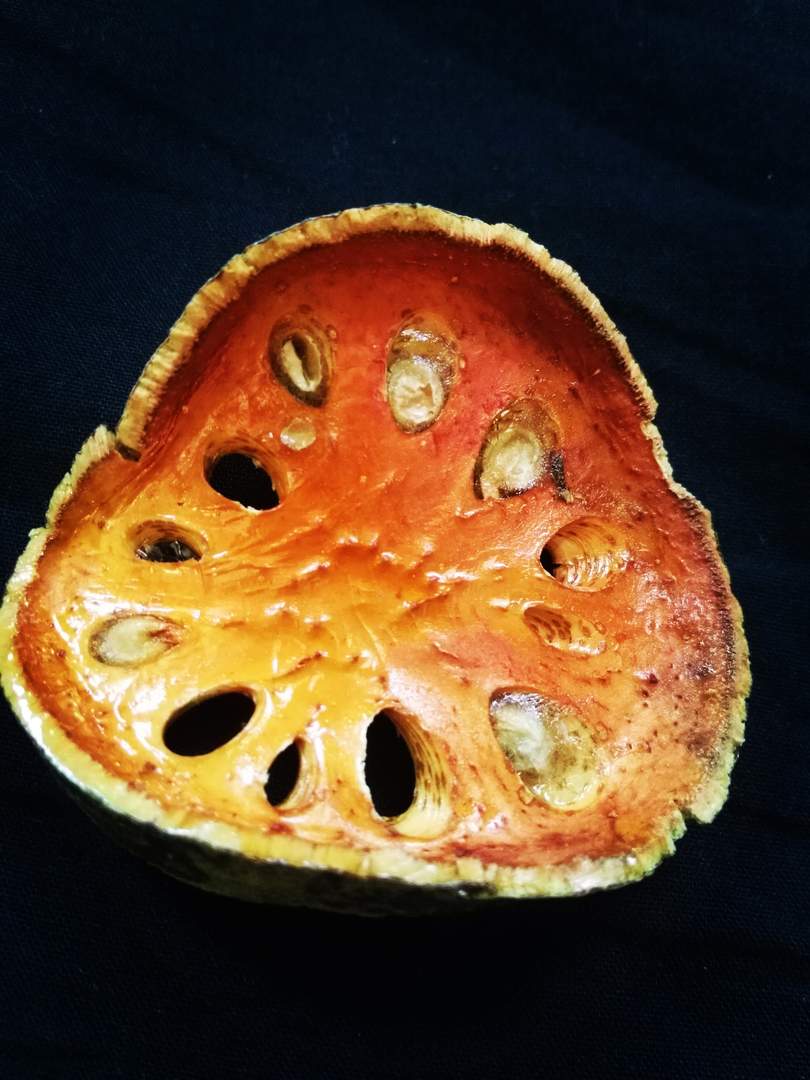
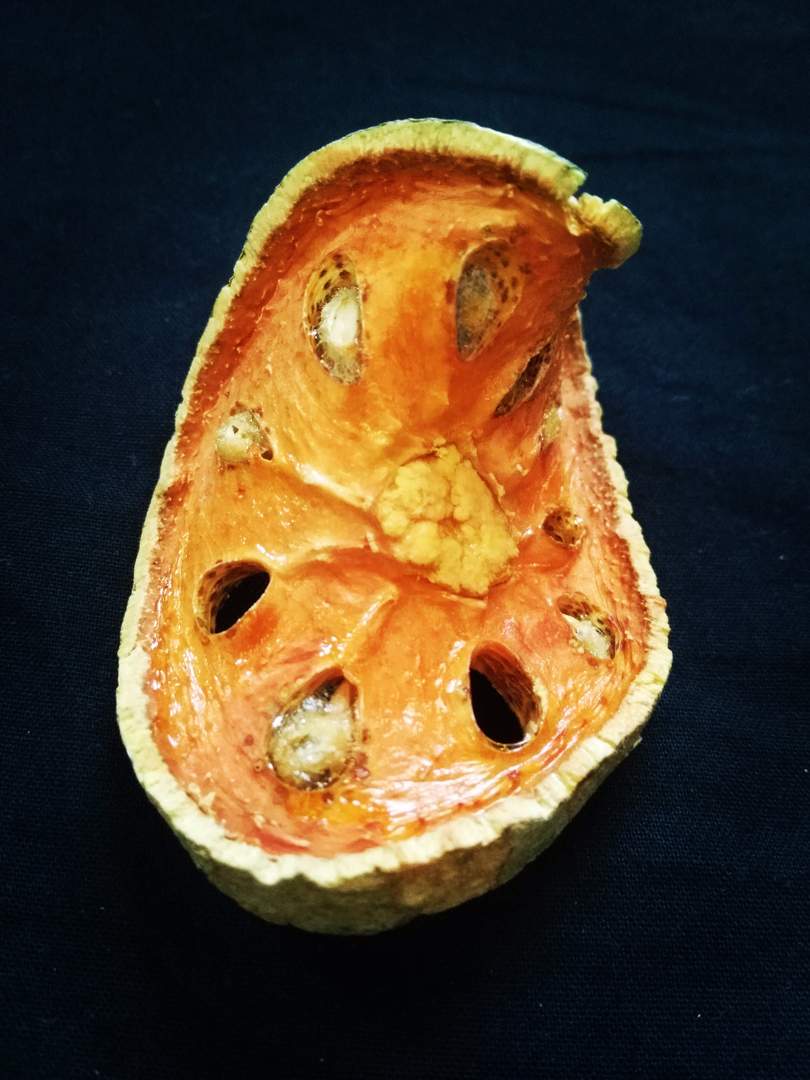
Bael tree: a sacred plant in Asia
The bael tree is known by several names: bilva, beli, Bengal quince, Vilvon, and others. It grows mainly across the Asian continent, particularly in India. There, it is considered a sacred tree, which explains its presence near many temples. The bilva tree is also found throughout mainland Southeast Asia, including Thailand.
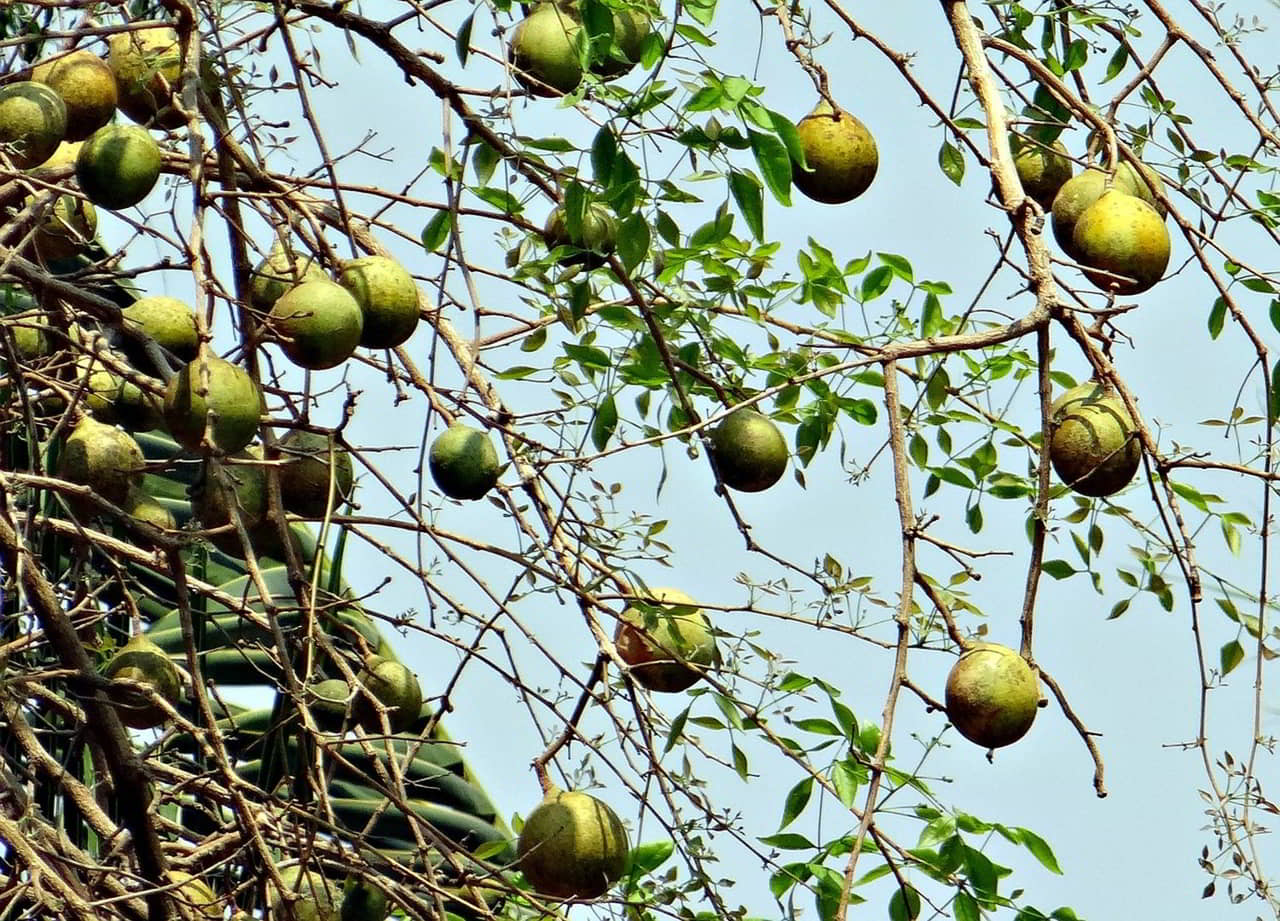
It is a resilient tree that grows at altitudes ranging from 250 to 1,200 meters. It can withstand wide temperature variations, from intense heat up to 50°C in Indian plains to lows of -8°C.
This deciduous tree blooms between April and July. Its highly fragrant flowers are also used in decoctions and culinary preparations, especially in Thailand.
Bael fruit: characteristics and how it is consumed
The bael tree produces fruit with a long maturation period. It takes about one year before the fruit can be harvested. Size varies: in the wild, it ranges from 5 to 7.5 cm in diameter, while cultivated varieties can reach up to 20 cm. Around a dozen varieties are identified, mainly in India.
Fresh or dried: how to use bael
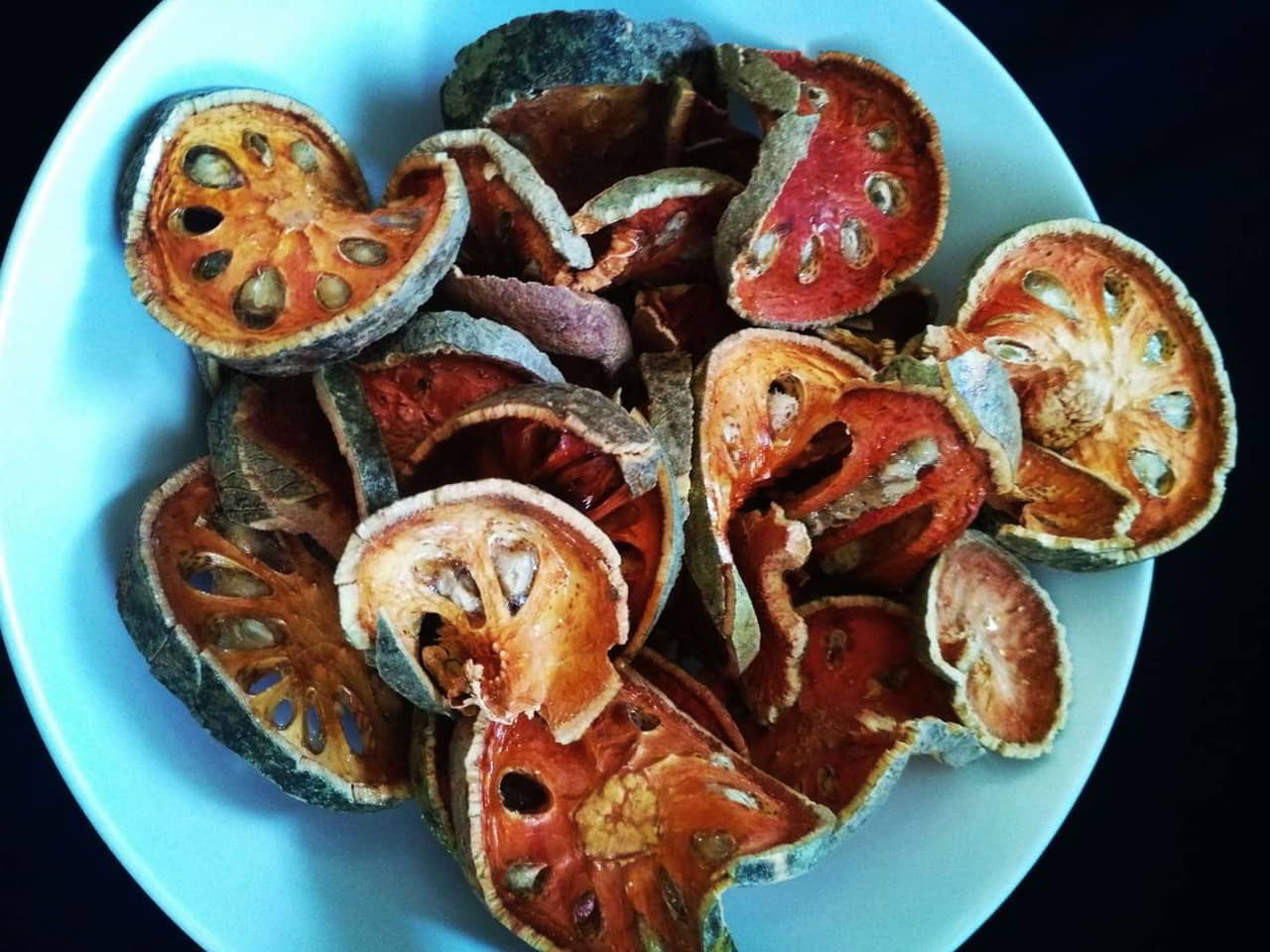
Bael can be consumed fresh, with its pulp used in jams or drinks, or dried. The dried version is by far the most common form found in markets.
Traditionally, the fruit is sliced into thin pieces (around 3 mm thick) and sun-dried. These slices are then used to prepare herbal tea. This is the most common form in Thailand. As a reference, bael costs around 185 baht per kilo in supermarkets, making it an affordable product given how many infusions it can produce.
Health benefits of bael
Bael is associated with many health benefits. Beyond its role in fertility rituals in Nepal, it is widely used in Ayurvedic medicine. It is particularly recommended for digestive issues such as diarrhea and constipation. It is also used in treating inflammatory intestinal conditions, whether chronic or bacterial.
Its nutritional profile makes it suitable for detox diets.
Bael is also believed to help reduce cholesterol levels. In short, its benefits seem extensive. However, some studies indicate that bilva leaves contain a compound called aegeline, which may have side effects, particularly on the kidneys. This remains an area to watch.
Bael tea recipe
Making bael tea from dried slices is simple:
Ingredients
- 3 dried bael slices
- 500 ml water
- 1 spoon of honey or unrefined sugar
Instructions
- Lightly toast the slices for 2–3 minutes in an oven or toaster to release their aroma
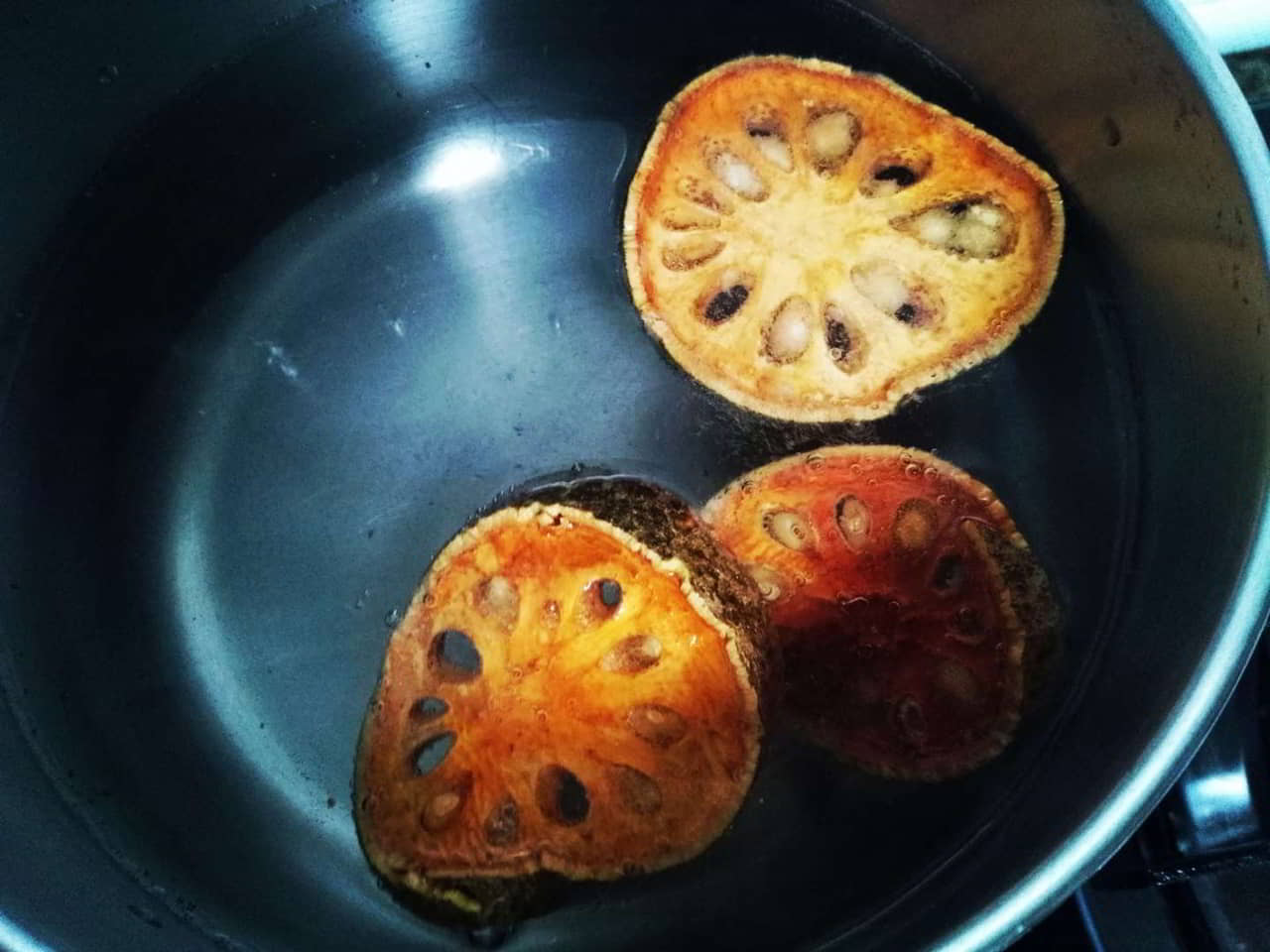
- Place them in boiling water
- Boil for 5 minutes
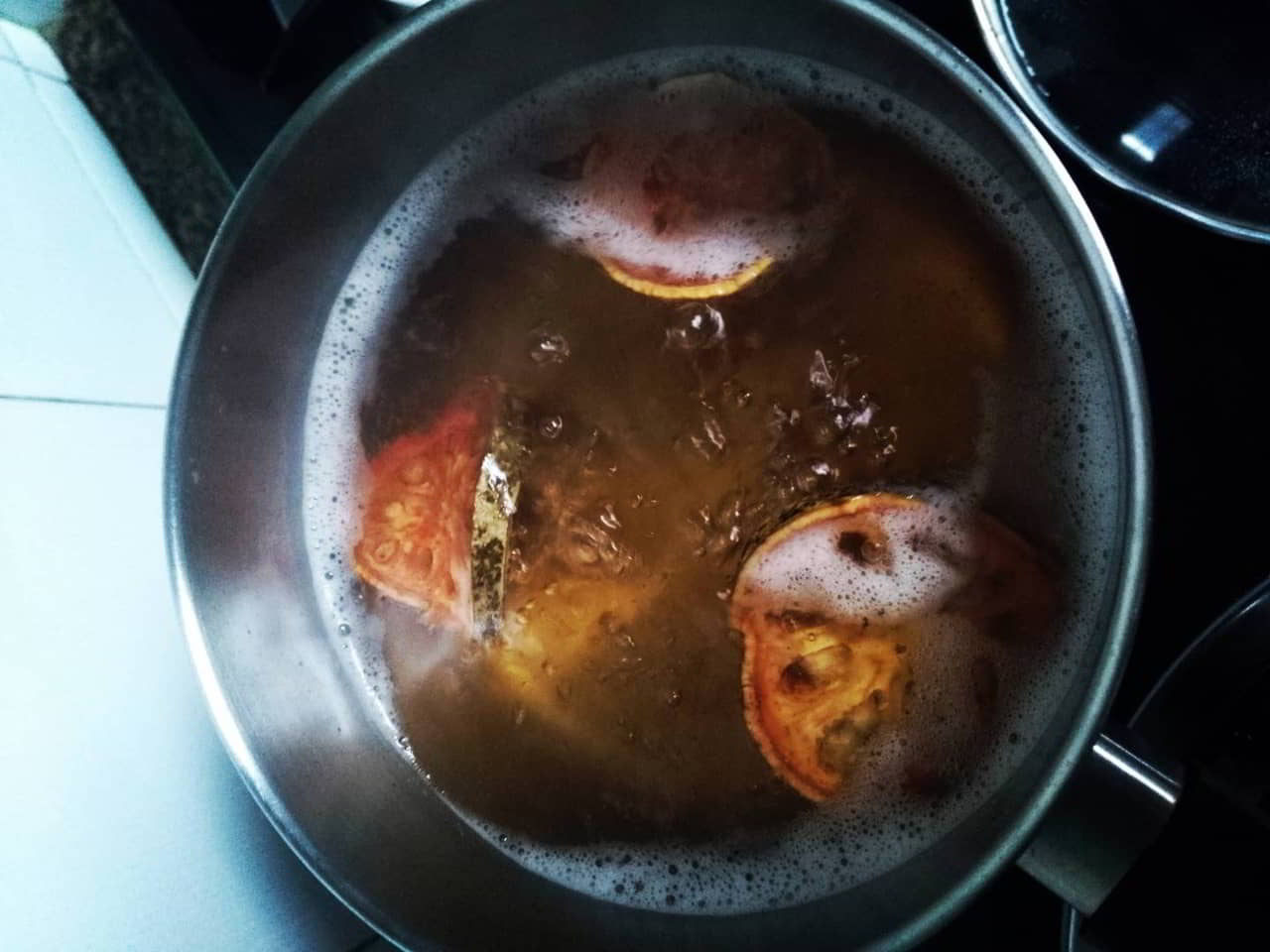
- Let it cool
- Add honey or sugar to taste
- Serve
FAQ about bael fruit
What is bael fruit?
Bael is a tropical Asian fruit from a sacred tree, commonly consumed as a herbal infusion.
What are the benefits of bael tea?
It is mainly used to support digestion, regulate intestinal transit, and complement detox diets.
Where can you buy bael in Thailand?
Bael is widely available in local markets and supermarkets, usually in dried slices.
How do you prepare bael tea?
Toast the slices briefly, then boil them in water for about 5 minutes before letting the infusion cool.
Are there any side effects of bael?
Some compounds found in the leaves may have side effects. Moderate consumption is advised.